+86 189 1837 7232
sales@lycotek.com

PTFE rotary shaft seals are precision radial shaft seals installed on rotating shafts in pumps, rotors and general industrial machinery to retain lubricants and exclude contaminants while permitting high-speed, low-friction rotation.
Lycotek’s Lipseal range pairs a precision metal body with a mechanically retained filled-PTFE sealing element to deliver leak-tight rotary sealing from -100 °C to +260 °C, at surface speeds up to 100 m/s and pressures up to 0.5 MPa — 1 MPa with a reinforced sealing lip — across shaft diameters from 6 mm to 170 mm, with stick-slip-free running and resistance to chemicals, oil additives and biofuels.
Standard elastomer radial shaft seals are limited in temperature, surface speed, media compatibility and pressure — and are poorly suited to applications with inadequate lubrication. Lycotek’s Lipseal range replaces the elastomer lip with a filled-PTFE sealing element to overcome these boundaries, delivering five key features for demanding rotary applications.
The filled-PTFE sealing lip provides inherently low friction and stick-slip-free running, minimising heat generation and permitting higher peripheral speeds. In torque testing on a 40 mm shaft, running torque stays low and stable, resulting in very low power consumption.
Filled-PTFE lip materials are rated from -100 °C to +260 °C. Unlike PTFE lip seals whose temperature performance is limited by an elastomer gasket, the mechanically retained lip gives the sealing system an excellent temperature envelope — suitable for both cryogenic and high-heat rotating equipment.
PTFE’s strong carbon-fluorine bonds make the seal resistant to mineral acids, bases, common organic fluids and solvents, and unaffected by oxidation, ultraviolet radiation or ozone — ideal for the chemical industry and applications exposed to the atmosphere. The lip also withstands oil additives and biofuels that degrade many elastomers, allowing longer oil service life.
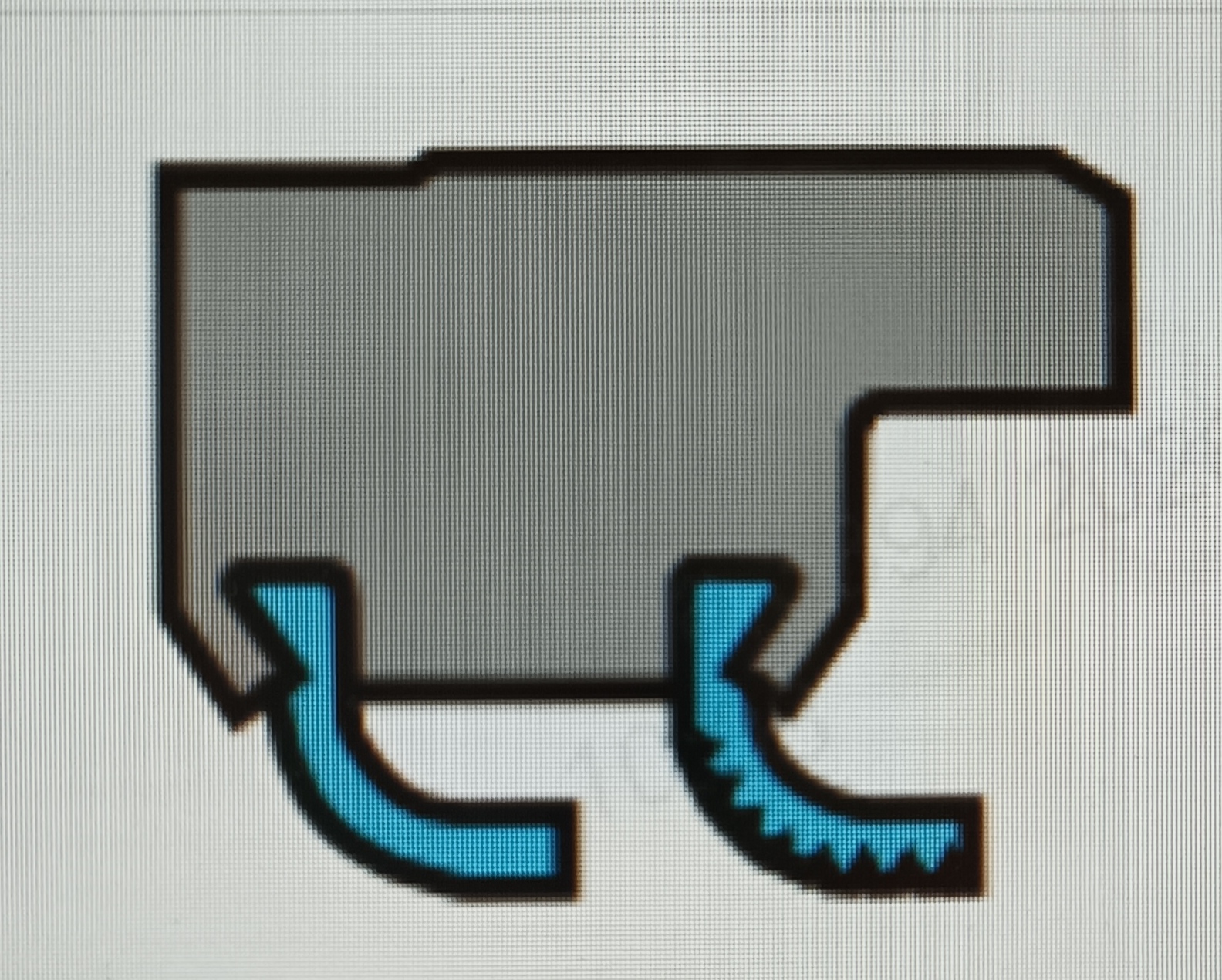
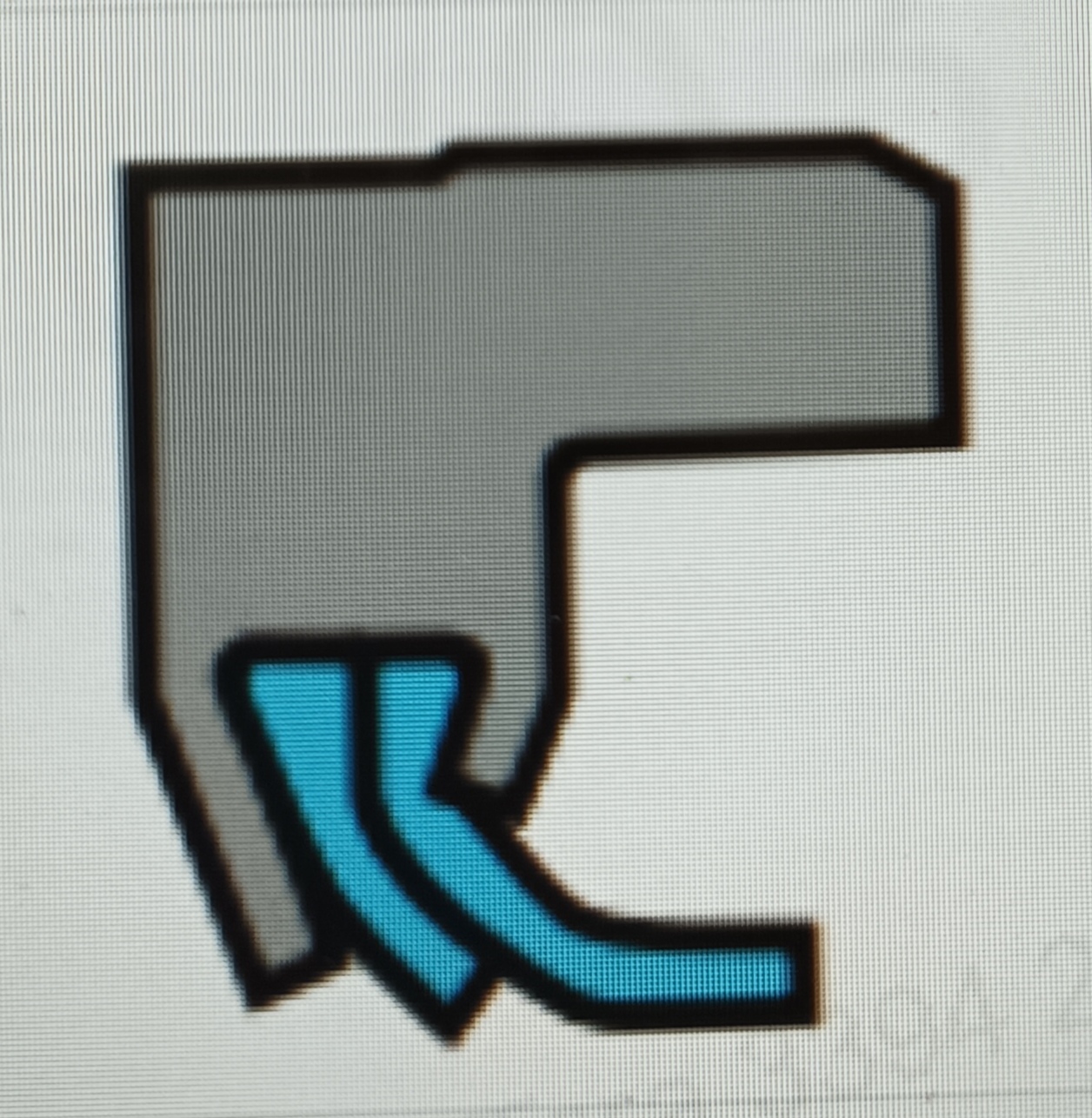
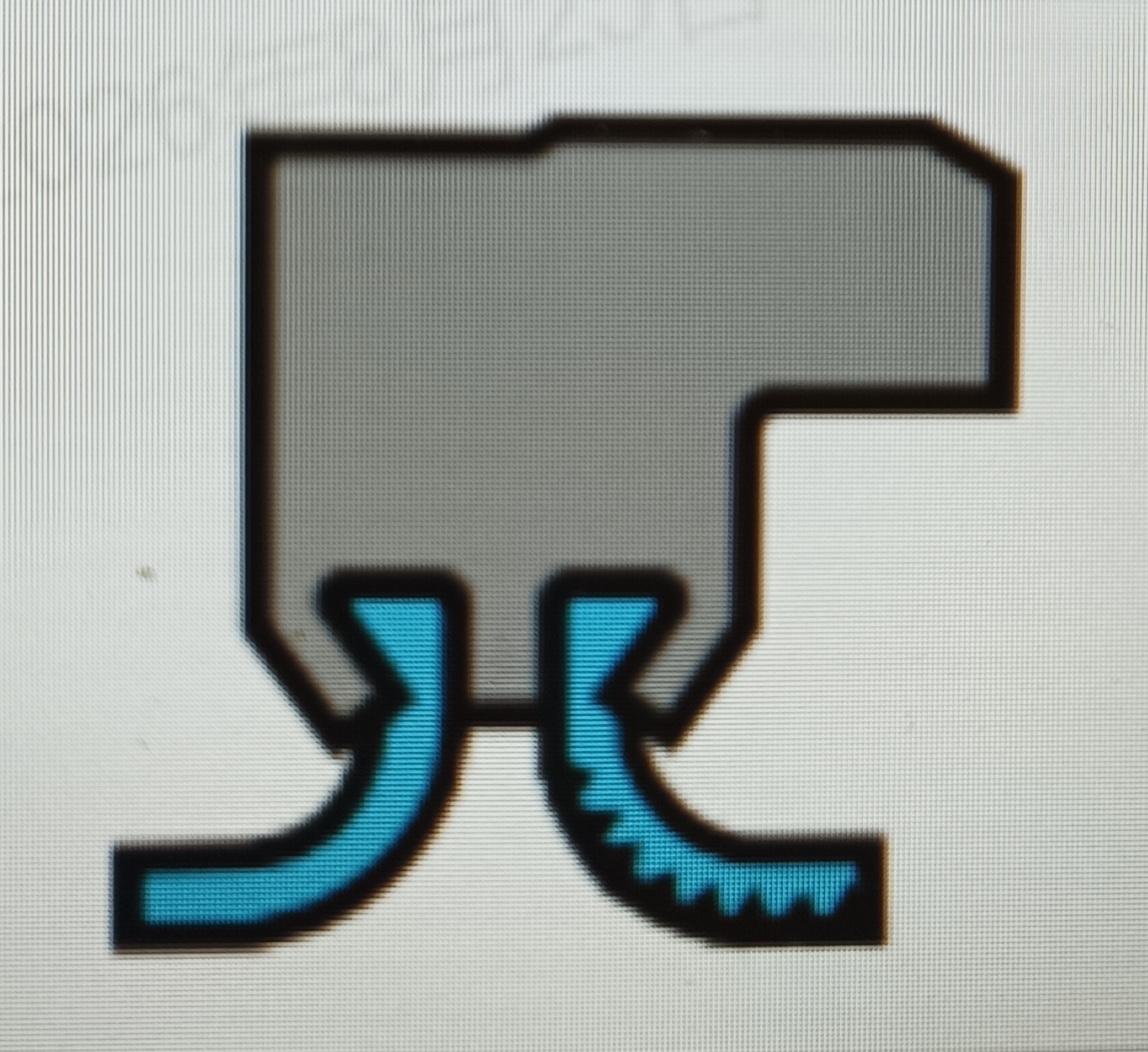
Each seal is built from just two parts — a precision metal body and a mechanically retained PTFE sealing element — so no gasket is required between lip and casing, improving both chemical resistance and temperature range. PTFE’s inherent material memory supplies the radial load of the lip onto the shaft, eliminating the energizer spring found in conventional designs and keeping the seal envelope compact.
The Lipseal range can run without lubrication for extended periods compared with elastomer shaft seals, without adversely affecting service life — covering start-up and other intermittently lubricated operating conditions, and functioning as an effective dirt, dust and powder seal where contamination must be excluded.
|
Type |
Product Overview |
Technical Data |
Typical Applications |
|||
|
Temp |
Speed |
Pressure |
Size Ø |
|||
|
LMA |
· Single lip |
-100 to +260 °C |
Up to 100 m/s |
Up to 0.5 MPa |
6–170 mm |
· Standard industrial applications |
|
LMB |
· Single lip + back-up lip |
-100 to +260 °C |
Up to 100 m/s |
Up to 0.5 MPa |
6–170 mm |
· Applications requiring high seal integrity |
|
LMH |
· Reinforced sealing lip |
-100 to +260 °C |
Up to 100 m/s |
Up to 1 MPa |
6–170 mm |
· Higher-pressure applications beyond elastomer capability |
|
LMC |
· Pressure from both sides |
-100 to +260 °C |
Up to 100 m/s |
Up to 0.5 MPa |
6–170 mm |
· Bi-directional / double-sided pressure applications |
|
LMG |
· Double lip, non-contact env. seal |
-100 to +260 °C |
Up to 100 m/s |
Up to 0.5 MPa |
6–170 mm |
· Dust and dirt ingress sealing |
Notes:
The data above represent maximum values and are not to be used simultaneously. For example, the maximum pressure depends on the material type, temperature, and clearance, while the temperature range is also dependent on the medium type.
Empowering you to fully understand everything about us—start.