+86 189 1837 7232
sales@lycotek.com

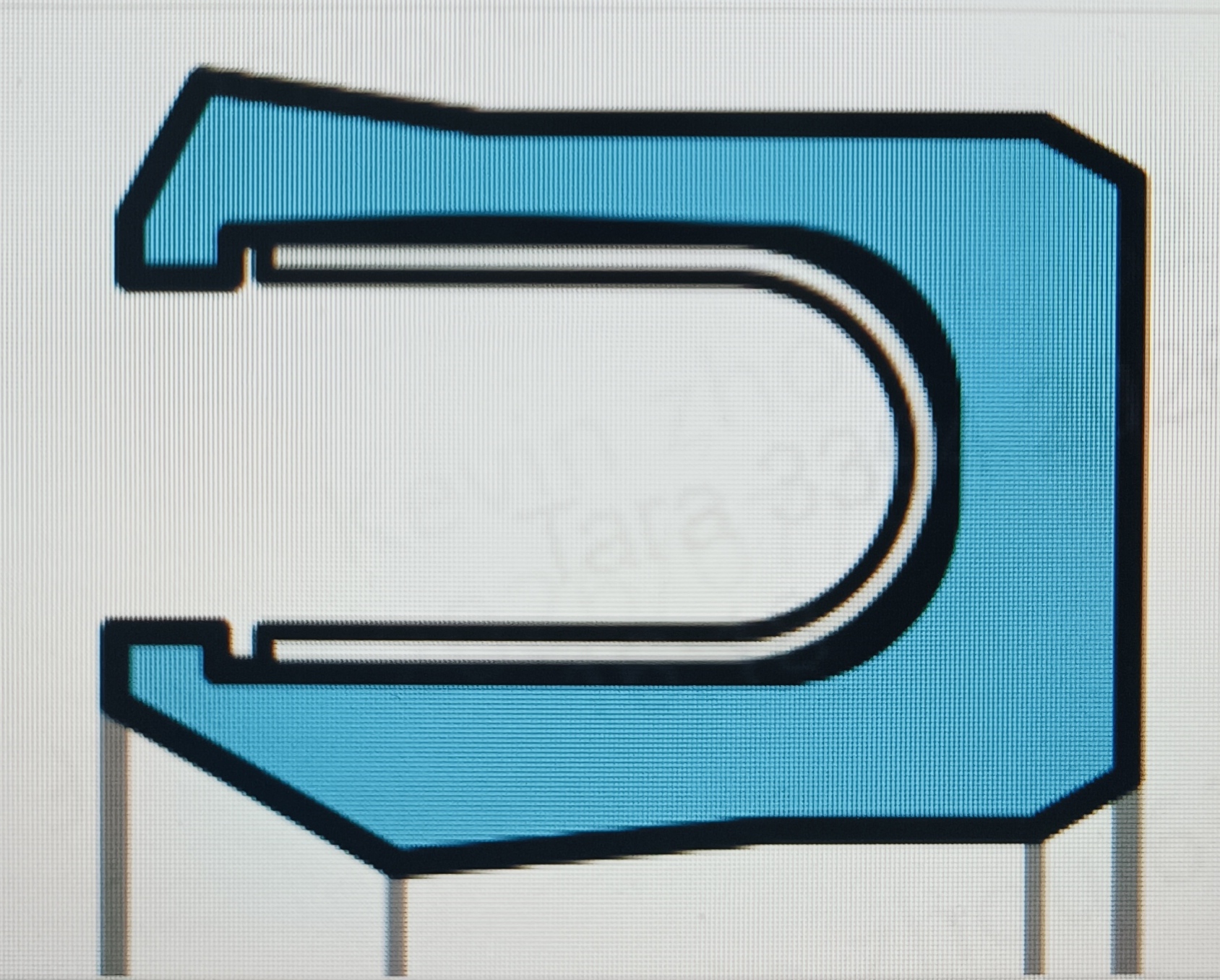
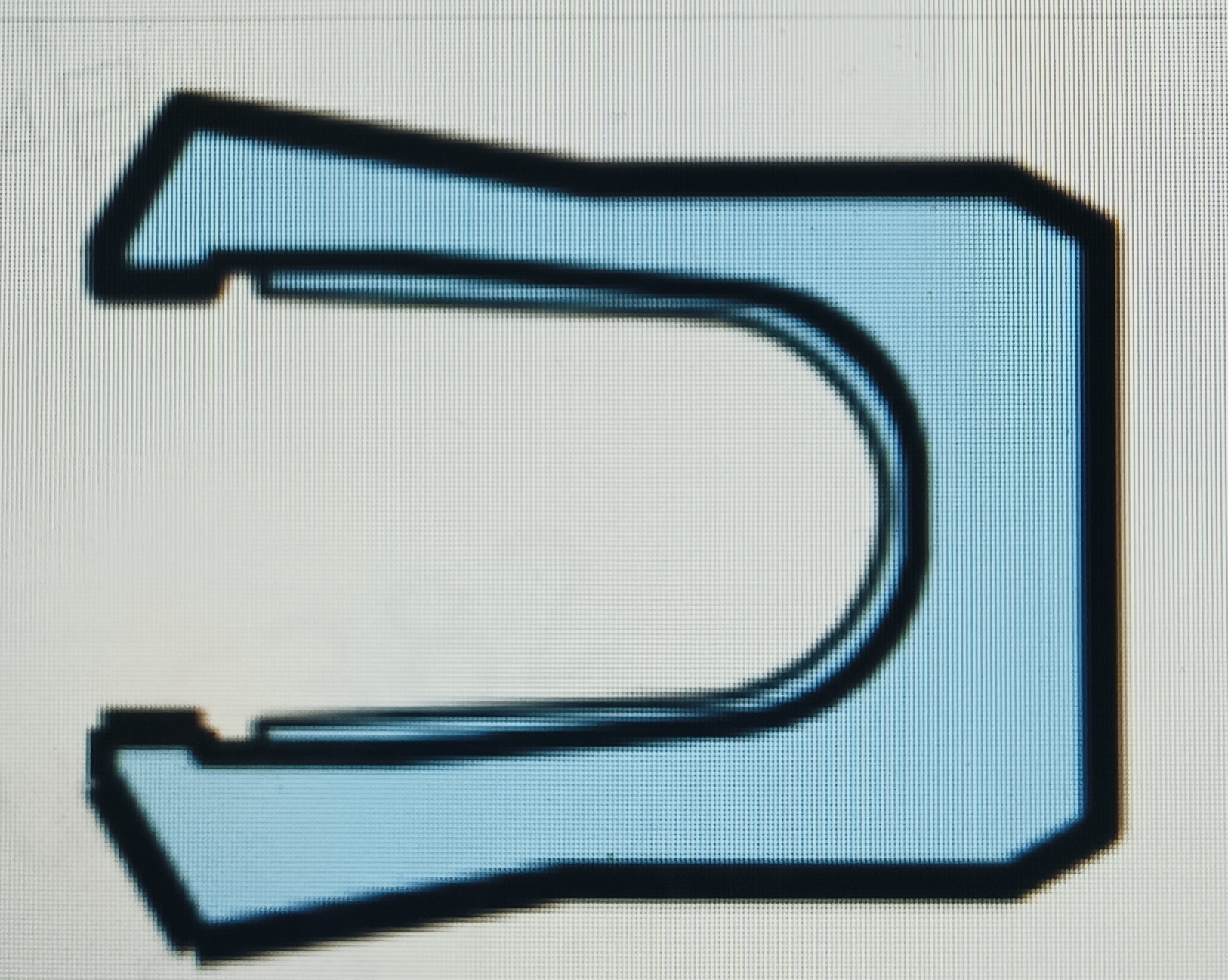
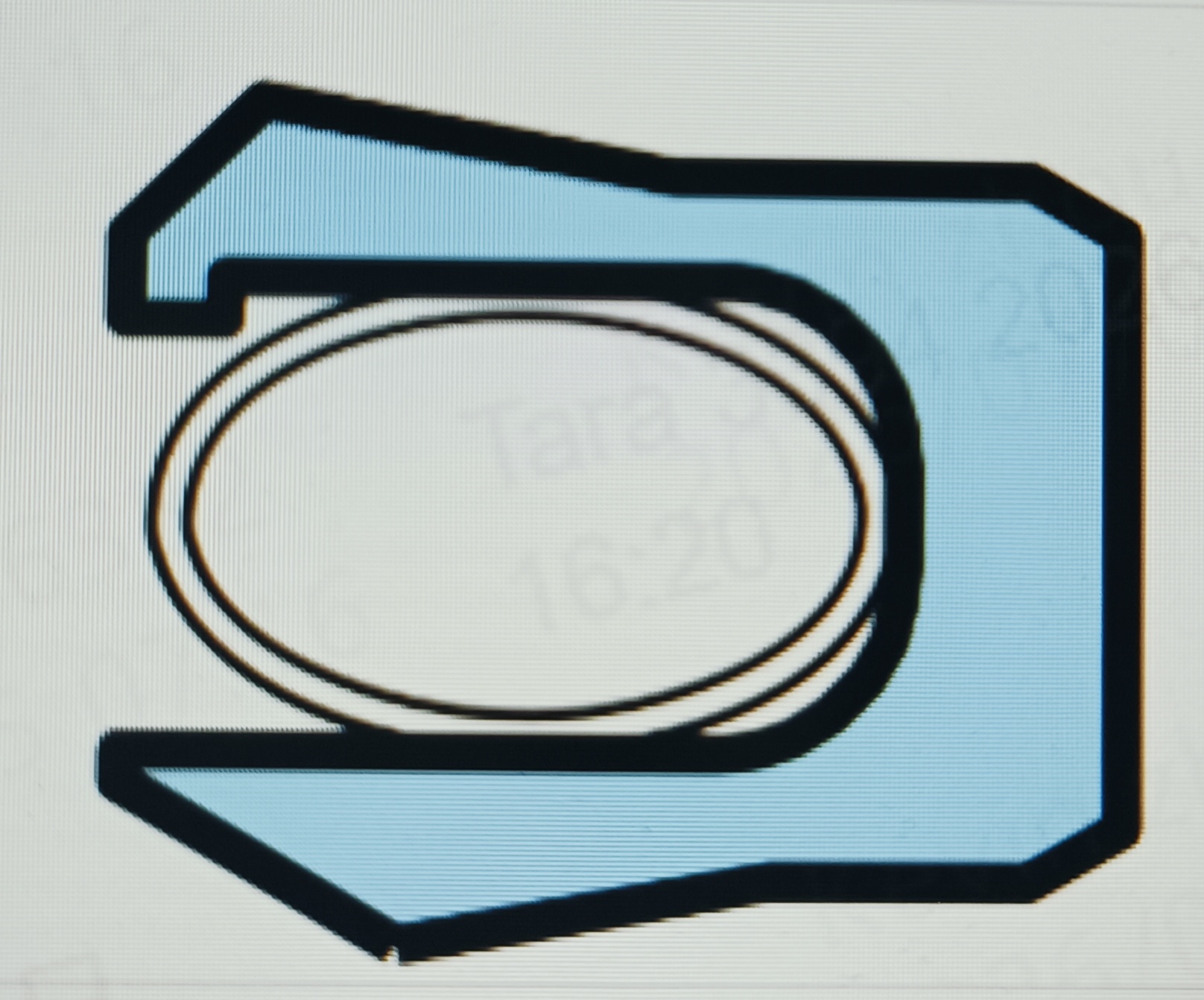
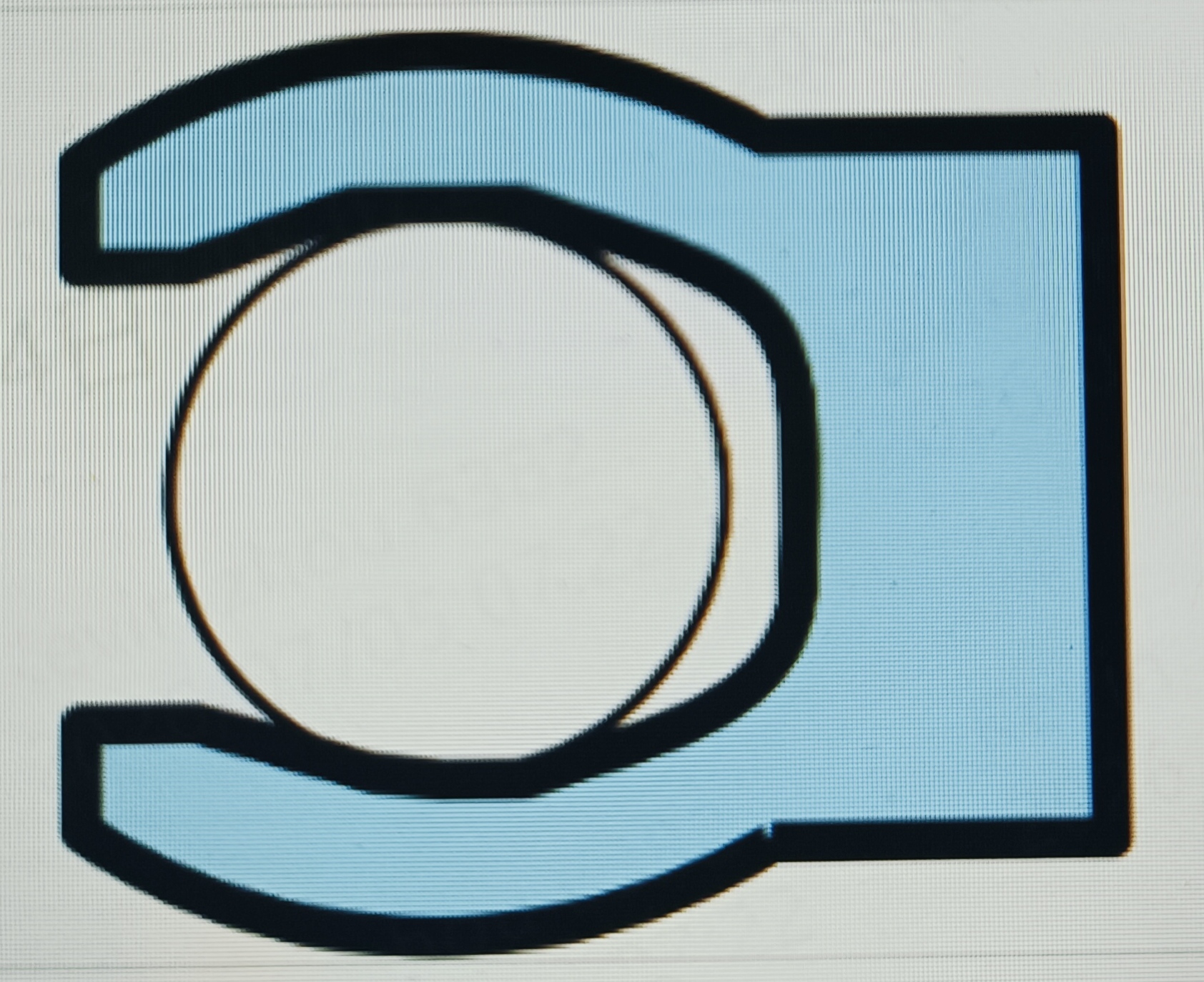
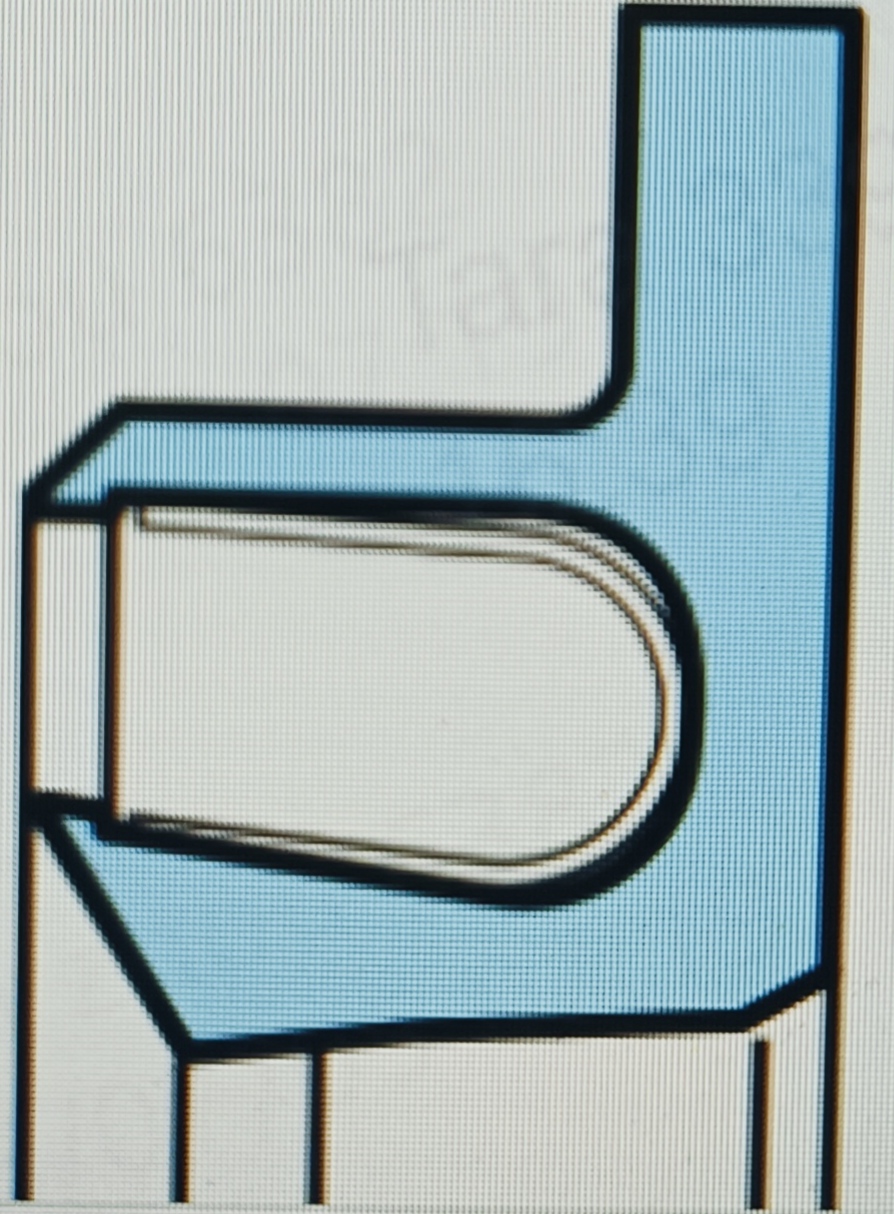
PTFE spring energized seals are single-acting seals that combine a U-shaped PTFE jacket with a corrosion-resistant metal spring. Installed in a standard gland groove, they retain fluids and gases in reciprocating, rotary and static applications — the metal spring provides the sealing load at low pressure while system pressure further energizes the sealing lip, allowing sliding speeds of up to 15 m/s with very low friction.
Lycotek pairs five standard spring energized profiles — SV, SVC, SC, SD and SF — with premium PTFE compounds and stainless steel springs to deliver reliable sealing in hydraulic and pneumatic systems, in sizes from 3 mm up to 3,300 mm, across operating temperatures of −120 °C up to +260 °C, at dynamic pressures up to 45 MPa and static loads up to 80 MPa (above 200 MPa with back-up rings), with virtually universal chemical compatibility.
Why engineers specify PTFE spring energized seals for demanding duties:
PTFE spring energized seals run with a very low coefficient of friction and stick-slip free operation, and offer good dry-running properties where full lubrication cannot be guaranteed — enabling precise, smooth motion control at sliding speeds up to 15 m/s.
The PTFE jacket is resistant to virtually all fluids, chemicals and gases, and its properties are unaffected by contact with chemicals — one seal family covers the aggressive media, solvents and gases where elastomer seals degrade.
Across the range, operating temperatures span −120 °C up to +260 °C. The seals withstand rapid changes in temperature and offer very good thermal resistance, from cryogenic service to high-temperature duties.
High abrasion resistance, dimensional stability and excellent resistance to ageing combine with optimized lip profiles for long service life — even in media of high viscosity or containing particle ingress.
Lycotek offers five standard PTFE spring energized profiles — SV, SVC, SC, SD and SF — each pairing a U-shaped PTFE jacket with a different metal spring geometry to suit a distinct duty. The table below gives a side-by-side overview.
|
Type |
Product Overview |
Technical Data |
Typical Applications |
|||
|
Temp |
Speed |
Pressure |
Size Ø |
|||
|
SV |
PTFE U-jacket + V-spring single-acting seal with optimized front-angle lip; the universal hydraulic and pneumatic choice. | -70 °C up to +260 °C |
up to 15 m/s reciprocating up to 1 m/s rotating |
45 MPa dynamic 60 MPa static |
3 – 2,600 mm |
· Mobile hydraulics · Pneumatics, cylinders & valves · Pumps & chemical processing · Spindle seals (machine tools) · Food & pharmaceutical processing |
|
SVC |
PTFE U-jacket + V-spring seal with heavy dynamic lip for high-viscosity media and particle-laden service. | -70 °C up to +260 °C |
up to 10 m/s reciprocating up to 0.5 m/s rotating |
45 MPa dynamic 60 MPa static |
3 – 2,600 mm |
· Highly viscous media · Food & bottling plants · Pharmaceutical processing · Adhesives, pastes & sealants · Media with particle ingress |
|
SC |
PTFE U-jacket + slanted-coil spring seal with near-constant load for low-pressure instruments and precision control. | -70 °C up to +230 °C |
up to 15 m/s reciprocating up to 1 m/s rotating |
20 MPa dynamic 60 MPa static |
3 – 2,600 mm |
· Servo & proportional valves · Pressure switches · Measuring instruments · Laboratory apparatus · Electronic equipment |
|
SD |
PTFE U-jacket + helical spring seal with high contact load for static, vacuum and cryogenic service. | -120 °C up to +260 °C |
up to 5 m/s reciprocating up to 0.1 m/s rotating |
20 MPa dynamic 80 MPa static |
3 – 2,600 mm |
· Compressors & ball valves · Vacuum service · Cryogenic engineering · Oil & gas installations · Nuclear & aerospace |
|
SF |
PTFE U-jacket + V-spring seal with anti-rotation flange; the dedicated rotary-shaft profile. | -100 °C up to +260 °C |
up to 10 m/s reciprocating up to 2 m/s rotating |
15 MPa dynamic 25 MPa static |
3 – 2,600 mm |
· Rotary hydraulic shafts · Injection moulding machines · Gearbox shafts · Rotating & pivoting arms · Plastic processing equipment |
Notes:
The data above represent maximum values and are not to be used simultaneously. For example, the maximum pressure depends on the material type, temperature, and clearance, while the temperature range is also dependent on the medium type.
Empowering you to fully understand everything about us—start.